
Engineering Products and Services – Our Approach
Product engineering service can be defined as an engineering consulting activity,which uses various hardware, embedded, software and IT services solution for the designing and development of products.
Engineering Services - Our Approach
Concept Phase
Conceiving the idea or the concept phase in the context of engineering products is a critical initial step in the product development lifecycle. This phase involves the generation, evaluation, and refinement of ideas to solve a specific problem or meet a particular need. It sets the foundation for the design, development, and eventual production of the engineering product. Here’s how the concept phase unfolds in engineering product development:
Identification of Need or Problem
The process often begins with identifying a need, problem, or opportunity in the market or society that can be addressed with a new or improved engineering product. This could arise from customer feedback, market research, technological advances, or a shift in regulatory or environmental standards.
Idea Generation
Once the need is identified, the next step is brainstorming and generating various ideas to address it. Engineers, designers, and product managers may employ creative thinking techniques such as brainstorming sessions, mind mapping, or SCAMPER (Substitute, Combine, Adapt, Modify, Put to another use, Eliminate, Reverse) to generate a wide range of ideas.
Feasibility Study
After generating ideas, a feasibility study is often conducted to evaluate the technical and economic viability of each concept. This includes assessing the technology required, potential manufacturing processes, materials, costs, and the time frame for development. The goal is to filter out unfeasible ideas early on.
Concept Evaluation and Selection
The remaining concepts are then evaluated against a set of criteria such as innovation, market potential, manufacturability, compatibility with existing product lines, and regulatory compliance. Tools like SWOT analysis (Strengths, Weaknesses, Opportunities, Threats), Pugh matrices, and decision matrices are commonly used to objectively compare and rank the concepts.
Prototype Development
For the most promising concepts, preliminary designs are created, and simple prototypes may be developed. Prototyping at this stage is usually aimed at understanding the feasibility of the concept and getting a tangible sense of its functionality. These prototypes are typically less refined but essential for early-stage testing and feedback.
Concept Refinement
Based on feedback from prototype testing, concepts are refined and iterated upon. This iterative process helps in fine-tuning the design, addressing any unforeseen issues, and improving the overall functionality and performance of the product.
Documentation and Approval
Throughout the concept phase, thorough documentation is maintained, detailing the development process, decision-making criteria, and rationale for the final concept selection. This documentation is crucial for securing approvals from stakeholders and moving forward with the detailed design and development phases.
Collaboration and Interdisciplinary Input
Engineering product development is inherently interdisciplinary, often requiring the collaboration of experts from mechanical, electrical, materials science, and software engineering, among others. Effective communication and collaboration across these disciplines are vital for the successful conception and development of a complex engineering product.
Intellectual Property Considerations
In the concept phase, it’s also important to consider intellectual property (IP) rights. Conducting patent searches and considering patentability are crucial steps to ensure that the concept is novel and to protect the innovation.
The concept phase is foundational in engineering product development, setting the trajectory for all subsequent design and development activities. A well-conceived idea not only addresses the identified need effectively but also aligns with the organization’s capabilities, market demands, and regulatory requirements, thereby increasing the likelihood of the product’s success in the market.
Design Phase
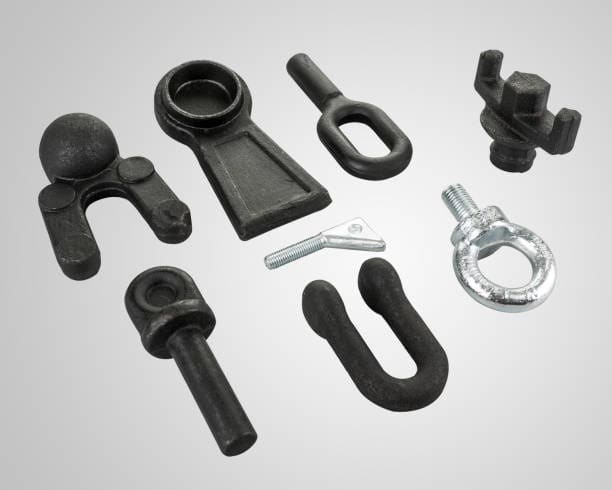
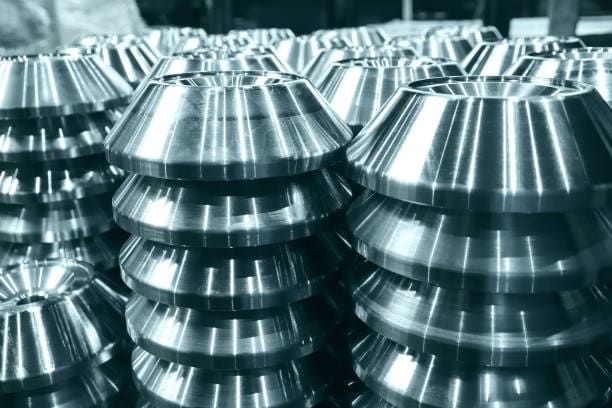
The design phase in engineering product development is a critical step that follows the initial concept or idea generation phase. This phase involves transforming the chosen concept into detailed plans and specifications that can be used for manufacturing the product. The design phase is where the theoretical foundation is laid out for how the product will look, function, and be produced. Here’s a detailed look at the design phase with respect to engineering products:
Understanding Requirements
The design phase begins with a comprehensive understanding of the product requirements. These requirements are typically derived from the needs identified during the concept phase, and they include functional requirements (what the product should do), performance requirements (how well the product should do it), and any regulatory or compliance requirements that the product must meet.
Preliminary Design
The preliminary design, or the conceptual design stage, involves creating the initial layout and form of the product. This includes sketching, 3D modeling, and the use of computer-aided design (CAD) software to visualize the product. Engineers make critical decisions regarding the product’s shape, size, and overall aesthetics, as well as preliminary choices about materials and components.
Detailed Design
Once the preliminary design is approved, the process moves into the detailed design stage. This stage involves refining the design and specifying exact dimensions, materials, and manufacturing processes. Engineers create detailed drawings and specifications that will guide the production team. This stage also involves the use of advanced CAD tools and simulations to model the product’s performance under various conditions and to make any necessary adjustments.
Engineering Analysis
Throughout the design phase, various engineering analyses are conducted to ensure the product will perform as intended. This can include structural analysis, thermal analysis, fluid dynamics simulations, and finite element analysis (FEA). These analyses help identify and mitigate potential issues related to stress, heat, airflow, or other factors that could affect the product’s integrity and functionality.
Selection of Materials and Components
An essential part of the design phase is selecting the appropriate materials and components for the product. Engineers must consider factors such as strength, durability, cost, availability, and compliance with environmental and safety standards. This selection process often involves trade-offs to meet the product’s requirements while staying within budget and manufacturing capabilities.
Prototyping
Creating prototypes is a crucial step in the design phase. Prototypes allow engineers to test the design in real-world conditions, evaluate its performance, and identify any issues that need to be addressed. Rapid prototyping techniques, such as 3D printing, can be used to quickly produce parts or assemblies for testing.
Design for Manufacturability (DFM)
Design for Manufacturability is a key consideration during the design phase. DFM involves designing the product in such a way that it is easy and cost-effective to manufacture. This includes simplifying the design, reducing the number of parts, and considering the limitations and capabilities of the manufacturing processes that will be used.
Iteration and Refinement
The design phase is inherently iterative. Based on testing results, feedback from stakeholders, and manufacturing considerations, the design may go through several iterations. Each iteration refines the product, improving its performance, manufacturability, and compliance with requirements.
Documentation and Review
Comprehensive documentation is created throughout the design phase, including detailed drawings, specifications, and reports on the engineering analyses and testing results. This documentation is critical for manufacturing, quality assurance, and any future modifications to the product. The design is also reviewed by key stakeholders, including engineering teams, manufacturing teams, and sometimes customers, to ensure it meets all requirements and expectations.
Collaboration and Communication
Effective collaboration and communication among the various teams involved in the product development process are crucial during the design phase. Engineers, designers, manufacturing experts, and quality assurance teams must work closely together to ensure the design is feasible, manufacturable, and meets the quality standards.
The design phase is where the conceptual ideas become tangible solutions. It requires a careful balance between innovation, functionality, manufacturability, and cost-effectiveness. The outcome of the design phase significantly impacts the success of the engineering product in meeting its intended use and performance in the market.
Development Phase
The development phase in engineering product development encompasses a series of critical steps that transform the detailed design into a fully functional product ready for mass production. This phase bridges the gap between design and the final introduction of the product to the market, involving prototype refinement, testing, and preparation for manufacturing. Here’s an in-depth look at the development phase in the context of engineering products:
Prototype Refinement
- Advanced Prototyping: After initial prototypes have been created during the design phase, the development phase involves the creation of more advanced prototypes that closely resemble the final product in terms of materials, functionality, and aesthetics.
- Iterative Testing: These prototypes undergo extensive testing and refinement to ensure they meet all specifications and requirements. Each iteration aims to address issues identified in previous tests and to move closer to the final product.
Testing and Validation
- Functional Testing: Tests are conducted to ensure the product performs its intended functions effectively under various conditions.
- Stress Testing: The product is subjected to extreme conditions beyond its standard operational parameters to identify potential failure points.
- Compliance Testing: Ensures the product meets all relevant industry standards, regulations, and certifications, which is crucial for market acceptance.
- User Testing: Involves getting feedback from potential users to gauge the product’s usability, ergonomics, and satisfaction levels. This feedback can lead to valuable insights for further refinement.
Finalizing the Design
- Incorporating Feedback: Based on testing results and user feedback, necessary modifications are made to the design. This may involve altering materials, components, or even significant aspects of the product’s design to enhance performance, durability, or user experience.
- Locking Down Specifications: Once the product meets all performance criteria and receives positive feedback from test users, the design specifications are finalized. This includes detailed drawings, material specifications, assembly instructions, and quality standards.
Engineering Documentation
- Comprehensive Documentation: Detailed documentation is prepared or finalized, including engineering drawings, materials lists, assembly instructions, and quality control parameters. This documentation is essential for manufacturing, assembly, and maintenance.
- Intellectual Property Protection: If not already done during the concept or design phases, steps are taken to protect the intellectual property associated with the product, including patents, trademarks, and copyrights.
Preparing for Manufacturing
- Design for Manufacturability (DFM) Revisions: Any further modifications required to facilitate efficient manufacturing, reduce costs, or improve product quality are implemented.
- Tooling and Equipment: The development of specialized tooling, jigs, fixtures, and the setup or calibration of manufacturing equipment takes place to prepare for production.
- Supplier and Vendor Engagement: Establishing relationships with suppliers and vendors for components and materials, ensuring quality and supply chain reliability.
Pilot Production
- Small-scale Production: A limited number of units are produced to test the manufacturing process, identify any issues in the production line, and ensure that the final product meets quality standards.
- Quality Assurance: Rigorous quality checks are performed on these pilot units, and any adjustments needed in the manufacturing process or the product itself are identified and implemented.
Final Review and Approval
- Stakeholder Review: The final product, along with the results from pilot production and quality assurance, is reviewed by key stakeholders, including project managers, engineers, marketing teams, and potentially key customers.
- Approval for Mass Production: Once the product is deemed ready and all requirements are satisfied, it receives final approval from management and regulatory bodies (if applicable) to proceed with mass production.
Transition to Mass Production
- Ramp-up Phase: Production gradually increases from pilot scale to full-scale mass production. This phase allows for the fine-tuning of production processes and the training of personnel.
- Supply Chain Optimization: Ensuring the supply chain is robust, scalable, and can meet the demands of full-scale production.
Market Preparation and Launch Planning
- Marketing and Sales Strategy: Finalizing the marketing plan, sales channels, pricing strategies, and promotional activities to support the product launch.
- Launch Readiness: Ensuring that all logistical, support, and service aspects are in place for the product launch, including distribution channels, customer service, and warranty support.
The development phase is crucial for ensuring that the engineering product not only meets design specifications but is also viable for mass production, meets market needs, and adheres to quality standards. This phase demands a collaborative effort across various departments, including engineering, manufacturing, quality assurance, marketing, and sales, to ensure a successful transition from a prototype to a market-ready product.
Testing Phase
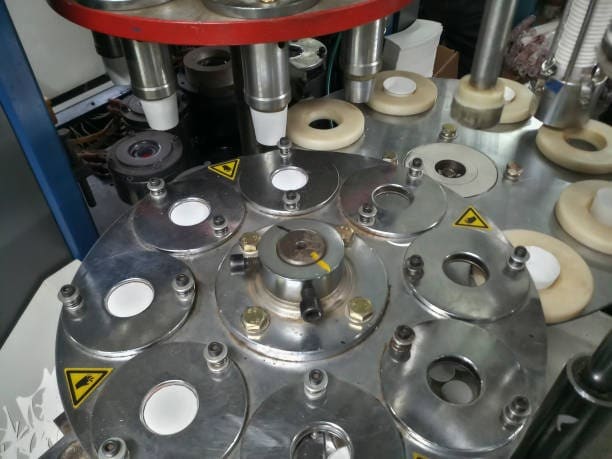
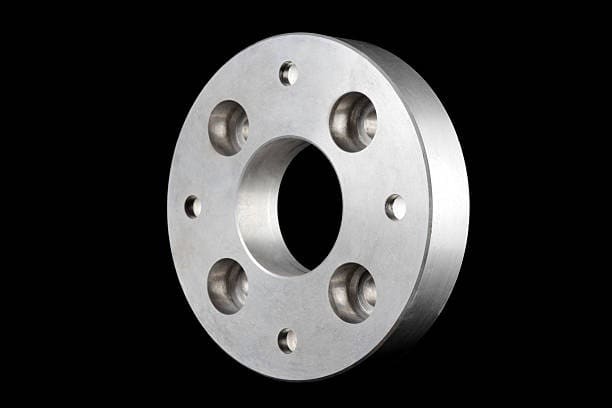
Testing in the context of engineering products is a comprehensive process that evaluates the product’s functionality, durability, safety, and compliance with industry standards. It is an integral part of the product development lifecycle, ensuring that the final product meets or exceeds the design specifications and user expectations. Testing is conducted at various stages of product development, from initial prototypes to final pre-production models, and continues through post-market surveillance. Here’s an in-depth look at the testing phase in engineering product development:
Types of Testing
1. Functional Testing
- Purpose: To verify that the product performs its intended functions under normal and extreme operating conditions.
- Methods: Simulating real-world usage scenarios, automated testing procedures, and manual testing by engineers or trained personnel.
2. Durability and Lifespan Testing
- Purpose: To assess how long the product lasts under typical or accelerated usage conditions and identify any wear-and-tear issues.
- Methods: Subjecting the product to prolonged operational testing, accelerated life testing using increased stress factors (like temperature, pressure, or mechanical loads) to predict product lifespan.
3. Environmental Testing
- Purpose: To ensure the product can operate effectively under various environmental conditions such as extreme temperatures, humidity, dust, and vibration.
- Methods: Using environmental chambers to simulate conditions, vibration testing platforms, and dust/water ingress protection testing.
4. Safety and Compliance Testing
- Purpose: To confirm that the product meets all relevant safety standards and regulations, which can include electrical safety, emissions, and toxicology standards.
- Methods: Conducting tests based on international, national, or industry-specific standards (like ISO, CE, FCC) in certified laboratories.
5. Usability and Ergonomics Testing
- Purpose: To evaluate how intuitive, user-friendly, and accessible the product is for its intended user base.
- Methods: User studies, focus groups, and heuristic evaluations by usability experts.
6. Performance Testing
- Purpose: To quantify the product’s performance characteristics, such as speed, accuracy, and efficiency.
- Methods: Benchmarking against performance criteria defined in the design specifications, using both standard test protocols and custom-developed test procedures.
Testing Process
1. Test Planning
- Description: Developing a test plan that outlines the objectives, scope, methods, and criteria for each type of test to be conducted.
- Importance: Ensures a structured approach to testing, with clear expectations and measurable outcomes.
2. Test Development
- Description: Designing and setting up test procedures, including the development of test fixtures, the programming of automated test equipment, and the preparation of test environments.
- Importance: Ensures that tests are repeatable, accurate, and relevant to the product’s intended use.
3. Test Execution
- Description: Carrying out the tests as per the test plan, documenting the process, and recording the results.
- Importance: Generates empirical data on the product’s performance, reliability, and compliance.
4. Data Analysis and Reporting
- Description: Analyzing the test data to assess whether the product meets the defined criteria and identifying any areas of concern or improvement.
- Importance: Provides evidence-based insights into the product’s readiness for market and highlights areas for improvement.
5. Iterative Improvement
- Description: Using the insights gained from testing to make iterative improvements to the product design, followed by re-testing to verify the effectiveness of those improvements.
- Importance: Ensures that the final product is as close to the ideal as possible, minimizing the risk of failures or issues post-launch.
Post-Market Testing
- Continuous Monitoring: Even after the product is launched, continuous monitoring and testing of the product in the field can provide valuable feedback for future iterations.
- Quality Assurance: Regular quality checks and audits in the manufacturing process ensure the product remains consistent with the tested prototypes.
Testing in engineering product development is not just a phase but a continuous process that spans the entire lifecycle of the product. It ensures that engineering decisions are validated, potential issues are identified and mitigated early, and the final product meets the highest standards of quality, safety, and performance.
Release Phase
- Purpose: To verify that the product performs its intended functions under normal and extreme operating conditions.
- Methods: Simulating real-world usage scenarios, automated testing procedures, and manual testing by engineers or trained personnel.
- Purpose: To assess how long the product lasts under typical or accelerated usage conditions and identify any wear-and-tear issues.
- Methods: Subjecting the product to prolonged operational testing, accelerated life testing using increased stress factors (like temperature, pressure, or mechanical loads) to predict product lifespan.
- Purpose: To ensure the product can operate effectively under various environmental conditions such as extreme temperatures, humidity, dust, and vibration.
- Methods: Using environmental chambers to simulate conditions, vibration testing platforms, and dust/water ingress protection testing.
- Purpose: To confirm that the product meets all relevant safety standards and regulations, which can include electrical safety, emissions, and toxicology standards.
- Methods: Conducting tests based on international, national, or industry-specific standards (like ISO, CE, FCC) in certified laboratories.
- Purpose: To evaluate how intuitive, user-friendly, and accessible the product is for its intended user base.
- Methods: User studies, focus groups, and heuristic evaluations by usability experts.
- Purpose: To quantify the product’s performance characteristics, such as speed, accuracy, and efficiency.
- Methods: Benchmarking against performance criteria defined in the design specifications, using both standard test protocols and custom-developed test procedures.
- Description: Developing a test plan that outlines the objectives, scope, methods, and criteria for each type of test to be conducted.
- Importance: Ensures a structured approach to testing, with clear expectations and measurable outcomes.
- Description: Designing and setting up test procedures, including the development of test fixtures, the programming of automated test equipment, and the preparation of test environments.
- Importance: Ensures that tests are repeatable, accurate, and relevant to the product’s intended use.
- Description: Carrying out the tests as per the test plan, documenting the process, and recording the results.
- Importance: Generates empirical data on the product’s performance, reliability, and compliance.
- Description: Analyzing the test data to assess whether the product meets the defined criteria and identifying any areas of concern or improvement.
- Importance: Provides evidence-based insights into the product’s readiness for market and highlights areas for improvement.
- Description: Using the insights gained from testing to make iterative improvements to the product design, followed by re-testing to verify the effectiveness of those improvements.
- Importance: Ensures that the final product is as close to the ideal as possible, minimizing the risk of failures or issues post-launch.
- Continuous Monitoring: Even after the product is launched, continuous monitoring and testing of the product in the field can provide valuable feedback for future iterations.
- Quality Assurance: Regular quality checks and audits in the manufacturing process ensure the product remains consistent with the tested prototypes.

You
write about release ohase after development and testing of an engineering product
ChatGPT
The release phase in the context of engineering products marks the culmination of the development and testing phases and signifies the product’s readiness for market introduction. This phase involves a series of coordinated steps to ensure that the product, along with all supporting materials and infrastructure, is fully prepared for launch. The release phase is critical for the successful transition of the product from an engineering project to a marketable item available to consumers or businesses. Here’s an overview of the key activities involved in the release phase of an engineering product:
Final Quality Assurance
- Objective: To ensure that the product fully meets all quality standards and specifications established during the development and testing phases.
- Activities: Conducting final inspections, compliance checks, and performance verifications on the production-ready product.
Manufacturing Ramp-Up
- Objective: To transition from pilot production or limited production runs to full-scale manufacturing.
- Activities: Finalizing manufacturing processes, scaling up production lines, training manufacturing personnel, and ensuring that supply chain logistics are in place to handle increased production volumes.
Packaging and Branding
- Objective: To design and finalize the packaging that is protective, informative, and aligned with the product’s branding strategy.
- Activities: Creating packaging that meets logistical and retail requirements, includes necessary product information and safety warnings, and aligns with environmental and sustainability goals.
Distribution Planning
- Objective: To establish and finalize the logistics for distributing the product to its intended sales channels, whether direct to consumers, through retailers, or via distributors.
- Activities: Coordinating with logistics providers, setting up warehousing, and planning inventory levels to match projected demand.
Marketing and Promotional Activities
- Objective: To build awareness and demand for the product ahead of and during its launch.
- Activities: Finalizing and implementing the marketing strategy, which may include advertising, public relations campaigns, social media engagement, product launch events, and promotional materials.
Sales and Channel Partner Enablement
- Objective: To prepare and empower the sales team and channel partners to effectively sell the product.
- Activities: Providing sales training, product demos, sales materials, and detailed product information to ensure that sales representatives and channel partners can effectively communicate the product’s value proposition to potential customers.
Customer Support and Service Readiness
- Objective: To ensure that customer support systems are in place and capable of providing assistance to customers post-purchase.
- Activities: Setting up help desks, customer service centers, online support resources, and preparing service teams with necessary training and tools to address customer inquiries and issues.
Launch Event and Release
- Objective: To officially introduce the product to the market and make it available for purchase.
- Activities: Organizing a launch event or campaign to generate excitement and media coverage, releasing the product through chosen sales channels, and making all marketing and promotional materials public.
Post-Launch Monitoring and Feedback Collection
- Objective: To gather initial feedback from the market and monitor the product’s performance in real-world use.
- Activities: Collecting and analyzing customer feedback, monitoring product reviews, and assessing initial sales data to identify any immediate issues or opportunities for improvement.
Continuous Improvement
- Objective: To use the insights gained from post-launch monitoring to make continuous improvements to the product, packaging, support, or marketing strategies.
- Activities: Implementing design changes, updates, or enhancements based on customer feedback and sales performance to ensure the product remains competitive and meets market needs.
The release phase is a pivotal moment that requires careful planning and coordination across multiple departments within an organization, including engineering, manufacturing, marketing, sales, and customer support. A successful release not only depends on the product’s readiness but also on the readiness of the entire organization to support, sell, and service the product. This phase sets the stage for the product’s market performance and long-term success.
PROJECT DIVISION
MECHANICAL
Our expertise lies in delivering bespoke engineering solutions to off shore and onshore asset owners and service providers. Our tailored packages focus on managing deadlines and deliverables from design and engineering to manufacture, supply and installation and commissioning.
FABRICATION
Our technologically developed Heavy Fabrication Products are used chiefly in all types of industries and institutions. We provide customized solutions to our clients as per their requirements. Our complete services are offered using latest machinery and deploying advanced techniques.
ELECTRICAL PRODUCT
Our dedicated Electrical team delivers projects & products as well as provides its services to the project teams. The expertise lies in manufacturing of LT/HT panels, control panels, cable laying and project execution.
MANUFACTURING
We along with our allies specialize in manufacturing of products primarily in HVACR. Equipment like AHUs, Ventilation Fan units etc. The manufacturing is done both for direct clients as well as for the in-house projects.
CONSULTANCY & ORDER
Our experienced design and commissioning teams provide customized engineering solutions to clients including but not limited to energy savings,reduced maintenances etc.
We deliver the many variations and patterns of saree kuchus they are:
- Table Design Kuchu - The Traditional Collection.
- Crochet Saree Tassels - The Wedding Collection.
- Contemporary Saree Tassels - The Offbeat Collection.
- Ready to Stitch Tassel Straps - Easy & Ready to Stitch Tassel Laces.