
Made to Keep You Healthy
Natural, farm-direct foods and traditional grains like millet have fed families in India for thousands of years. Here is what they are and why many people are bringing them back to the table.
natural & organic
direct from farm
Millets
Millets are one of the oldest foods known to humans. They are drought resistant crops grown in dry land, and are known to be cultivated 10 thousand years ago in Asia. Millets are a group of highly variable small-seeded grasses, widely grown around the world as cereal crops or grains. Millets are also unique due to their short growing season. They can develop from planted seeds to mature, ready to harvest plants in as little as 65 days.
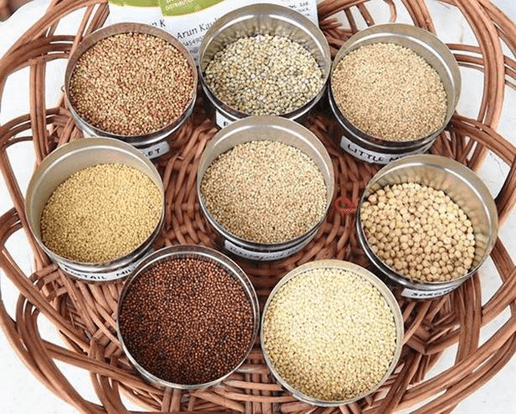
Benefits of Millets
- Rich in dietary fibre, which supports digestion.
- A source of minerals such as magnesium, iron and phosphorus, and B vitamins.
- Naturally gluten-free, a useful grain for people avoiding gluten.
- Drought-hardy crops that need far less water than rice or wheat.
This is general nutrition information, not medical advice. If you have a health condition, talk to your doctor before changing your diet.
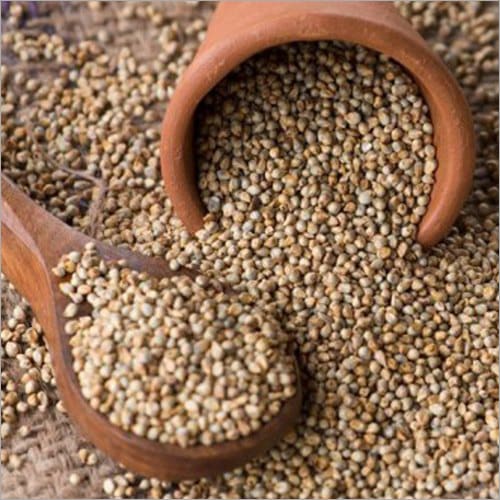
01. Pearl Millet
Pearl millet or bajra is a rich source of many nutrients including dietary fibres, antioxidants, and magnesium that can help rev up your immunity and keep infections like cold and cough at bay.
However, it is important to add other immunity-boosting foods in your diet as well.
(Hindi: Bajra, Tamil: Kambu, Telugu: Gantilu, Kannada: Sajje)
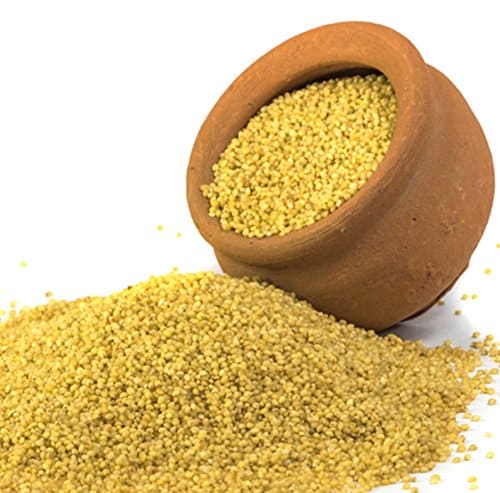
02. Foxtail Millet
Foxtail millets are rich in calories that provide energy and strength to the body to perform activities.
It is widely cultivated in India, Africa and China. It is considered as the perfect substitute for the healthy diets.
(Hindi: Kangni; Tamil: Tenai; Telugu: Korra; Kannada: Navane; Malayalam: Thina)
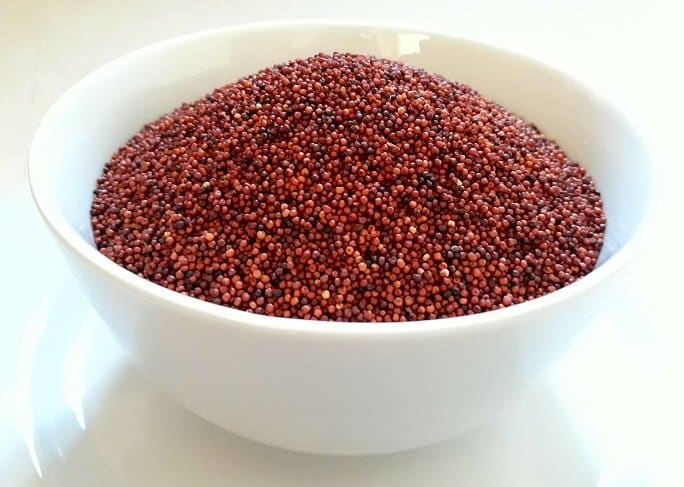
03. Finger Millet
Finger millet contains amino acids that are extremely beneficial for repairing tissues and muscle coordination.
It also helps in the flow and formation of blood as well as muscle repairing which is really important for a healthy heart. The presence of powerful antioxidants in ragi makes it a perfect food for your mental health.
(Hindi: Mandua; Tamil: Kelvargu; Telugu: Ragulu; Kannada: Ragi; Malayalam: Koovarugu)
04. Barnyard Millet
Barnyard millet could be a good source of iron for vegetarians. The barnyard millet can be given as porridge or Kheer to babies between 6-8 months and as, cheela, dosa, idlis for babies above one year and toddlers.
Packaged whole barnyard millet is also commonly used to make porridges.
(Hindi: Jhangora; Tamil: Kuthiravaali; Kannada: Udalu; Telugu: Odalu)
05. Kodo Millet
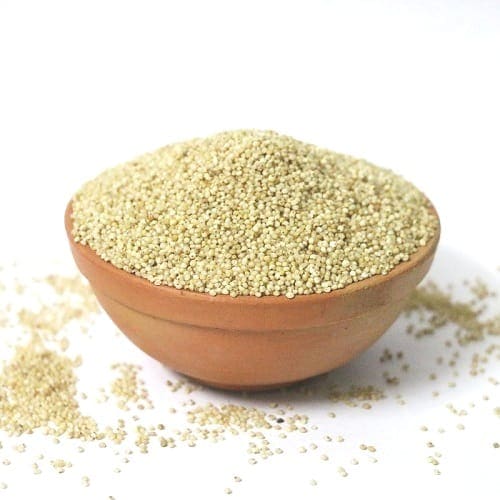
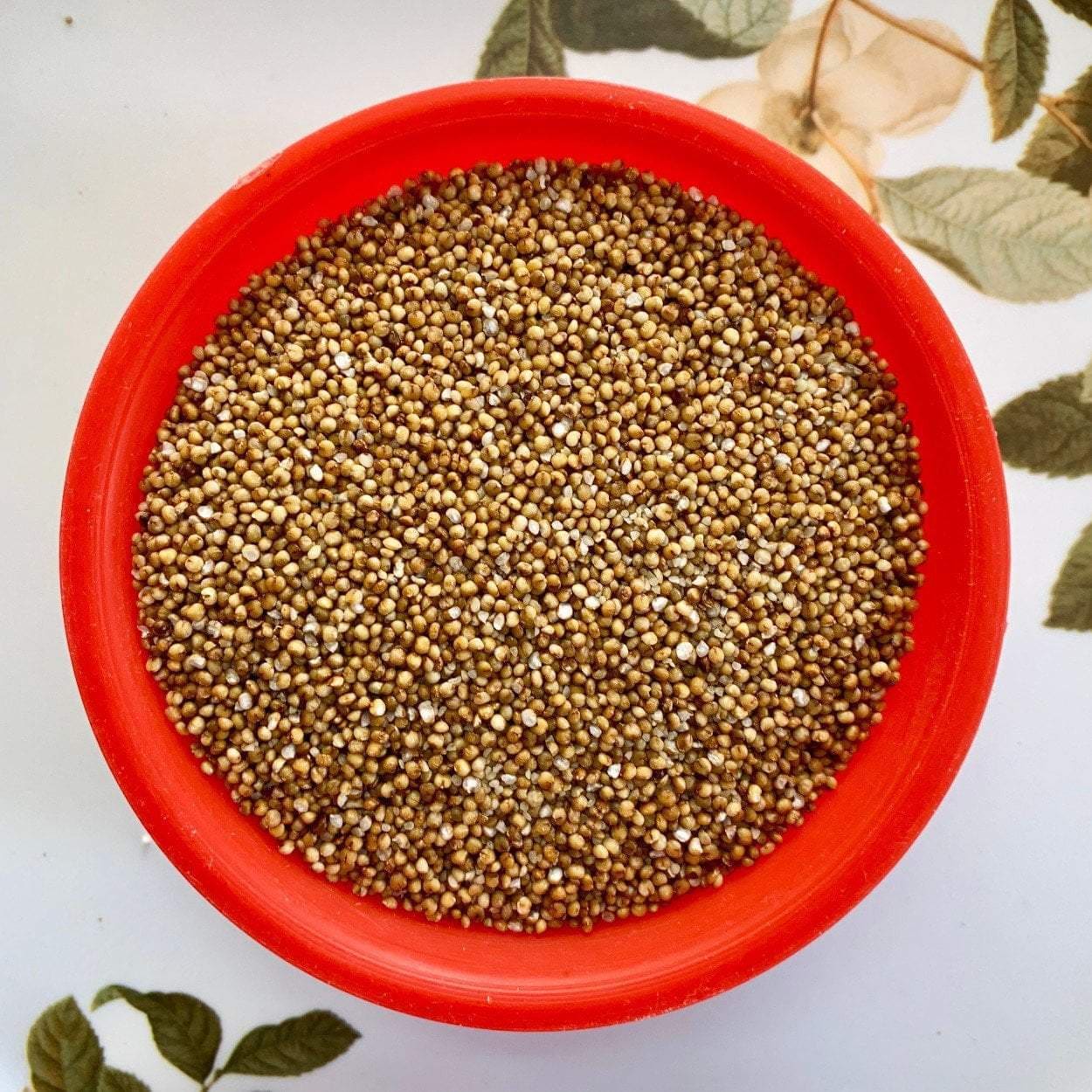
Kodo millet has long been part of traditional diets in India. It is rich in fibre and plant compounds, and is a filling grain for people watching their weight.
It is a filling, fibre-rich grain that fits well into a balanced diet.
(Hindi: Kodra; Tamil: Varagu; Telugu: Arikelu; Kannada: Harka)
06. Little Millet
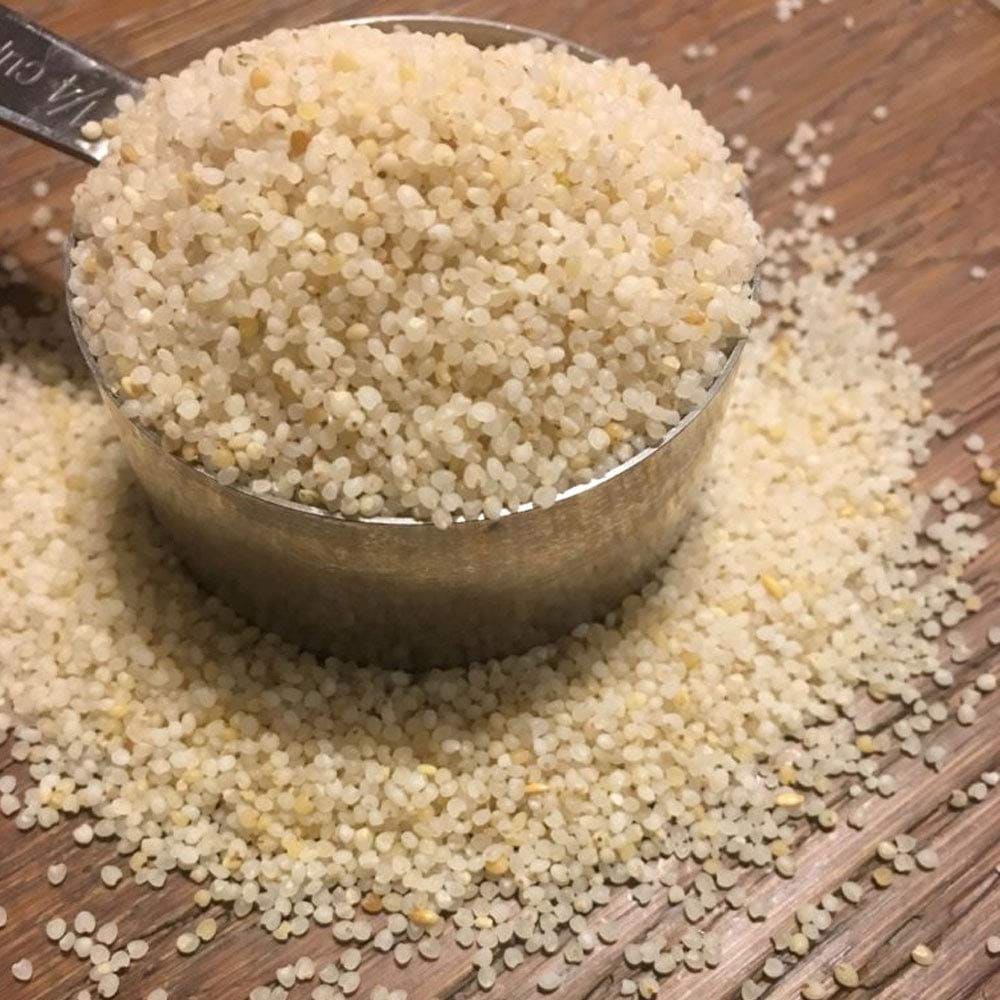
Little millet contains magnesium and vitamin B3 (niacin).
Little millet is also a good source of phosphorus which, helps with fat metabolism, body tissue repair and energy production.
(Hindi: Kutki; Tamil: Samai; Telugu: Sama; Kannada: Same; Malayalam: Chama)
07. Sorghum Millet
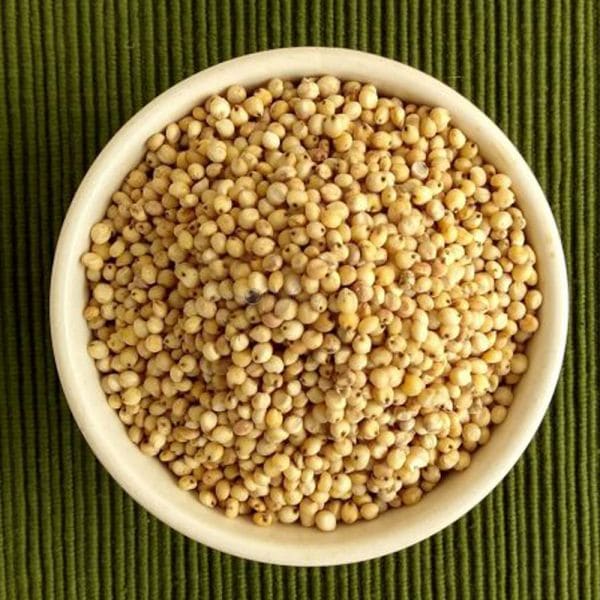
Sorghum is a millet or cereal grain plant, which originated in Africa and is to this day a large part of their diet. It has various species and varieties that are all useful in different ways, either as foods, fodder, and hay and also broomcorn.
It is drought and heat resistant. Sorghum health benefits includes supporting a healthy heart, keeping your digestive tract healthy and clean, supporting bone health, supporting healthy skin, source of energy.
(Hindi: Jowar; Tamil: Cholam; Telugu:Jonna; Kannada:Jola; Malayalam: Cholum)